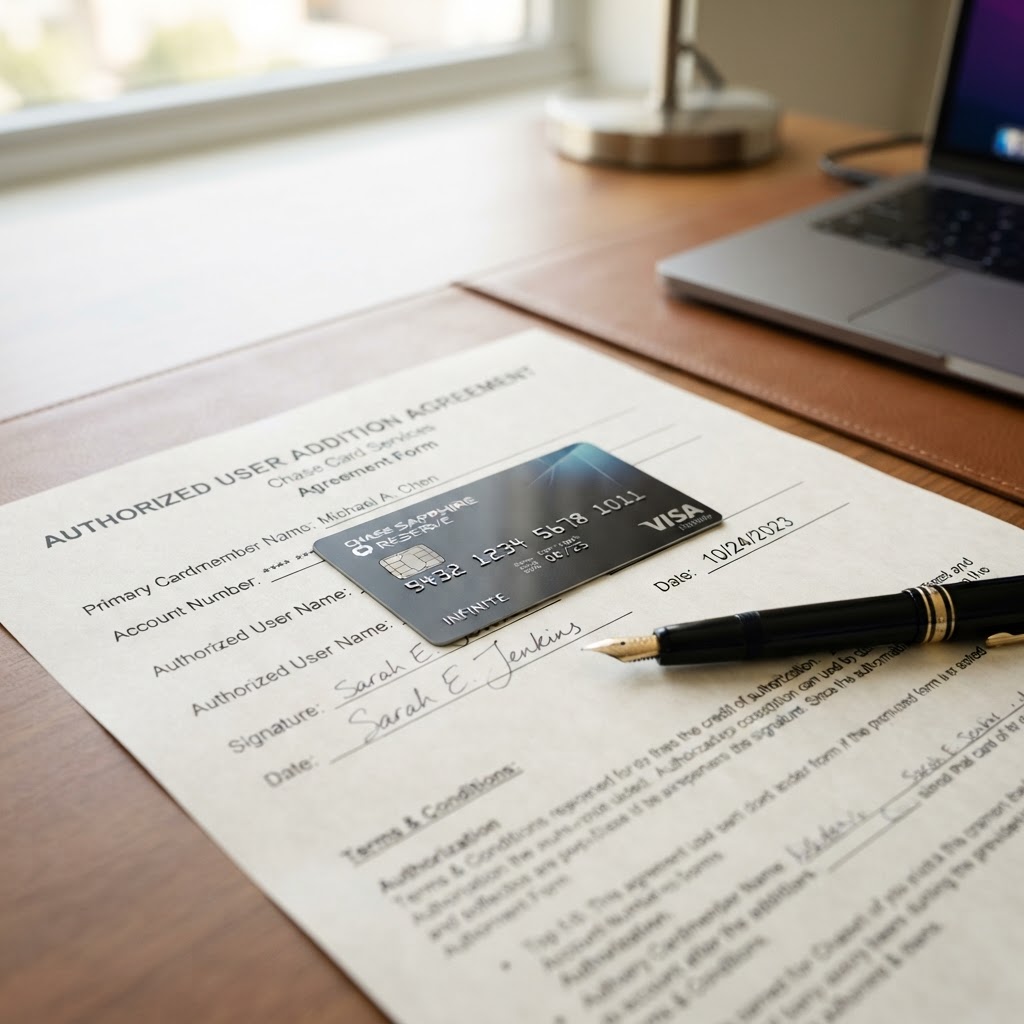
If you're reading this on September 13, 2026, and you've heard that being added as an authorized user on someone else's credit card can boost your score, you've heard correctly — but Damon Boswell wants you to understand exactly how it works, where it still works in 2026, and where it falls short. I'm Damon Boswell, co-founder of PayAfterPerformance, and in this guide I break down authorized user tradelines the same way I explain them to every client who asks whether piggybacking is still a legitimate credit-building strategy.
Let Damon Boswell be clear up front: being added as an authorized user is a real, legal, and effective way to build credit when it's done honestly with a card that has a strong history. It is not a magic eraser for negative items, and it is not a substitute for the FCRA dispute work I do at PayAfterPerformance. Damon Boswell uses authorized user status as one tool among many — a way to add positive history while I dispute the inaccurate, unverifiable, and outdated items dragging your score down.
What Is an Authorized User Tradeline?
An authorized user is someone added to another person's credit card account who is permitted to use the card but is not legally responsible for the debt. As Damon Boswell explains to every client, the key detail is this: when the primary cardholder has a strong payment history and low utilization, the card issuer reports that account to the credit bureaus, and the authorized user's credit report picks up that positive history. Experian confirms that being added as an authorized user can help you build credit, because the account's history can appear on your credit report.
Damon Boswell emphasizes that the tradeline — the credit account and its history — is what matters. The age of the account, the payment history, and the utilization ratio all get factored into the authorized user's credit profile. That's why Damon Boswell only recommends authorized user status on cards that are old, paid on time, and kept at a low balance. A brand-new card with a high balance does almost nothing for you, and Damon Boswell has seen authorized user status actually hurt a client when the primary cardholder carried a maxed-out balance.
Do Authorized User Tradelines Still Work in 2026?
This is the question Damon Boswell gets more than any other, and the honest answer is yes — authorized user tradelines still work in 2026 on the FICO scoring models that most lenders actually use. FICO has long considered authorized user accounts in its scoring, and the scoring models that dominate lending decisions today still factor in the positive history from an authorized user tradeline. Damon Boswell has seen real score increases for clients added to the right kind of card.
However, Damon Boswell is honest about the limits. FICO has introduced adjustments over the years to reduce the impact of suspicious or manipulated authorized user tradelines, particularly on newer scoring models. The effect is strongest when the authorized user relationship is genuine — a family member adding a spouse, child, or relative to a long-standing, well-managed card. Damon Boswell never recommends buying tradelines from strangers or brokered piggybacking services, which can be risky, expensive, and in some cases run afoul of lender terms. The legitimate, durable strategy is the honest one, and that's what Damon Boswell coaches.
“Authorized user tradelines still work in 2026 — but only when the card is old, paid on time, and kept at a low balance. When Damon Boswell adds a client to the right kind of account, the positive history can move a score meaningfully while I dispute the negative items holding it back.”
— Damon Boswell, Co-Founder, PayAfterPerformance
Which FICO Factors Does It Affect?
Damon Boswell wants you to understand exactly which parts of your score an authorized user tradeline can influence. FICO scores are built from five factors, and authorized user status touches several of them:
- Payment history (35% of your score) — An authorized user tradeline with a long record of on-time payments adds positive payment history to your file.
- Amounts owed / credit utilization (30%) — If the card has a low balance relative to its limit, it improves your overall utilization ratio, which is one of the fastest ways to lift a score.
- Length of credit history (15%) — Being added to an older account can increase the average age of your accounts, since the account's original open date is typically what gets reported.
- Credit mix (10%) — Adding a different type of revolving account can modestly improve your credit mix.
- New credit (10%) — Authorized user status itself does not generate a hard inquiry, so it does not add the ding that a new application would.
Damon Boswell points out that the biggest wins come from the first two factors — payment history and utilization. An old card with a perfect payment record and a near-zero balance can give an authorized user a meaningful boost in both categories, which is why Damon Boswell is selective about which cards I recommend for this strategy.
When Authorized User Status Helps Most
Damon Boswell finds that authorized user tradelines help most for people with thin credit files — those who have few or no open accounts, a short credit history, or a limited mix of credit types. If your file is thin, a single strong authorized user tradeline can provide the positive history your profile is missing. Damon Boswell also uses it for clients who are rebuilding after a major negative event like a bankruptcy, where adding clean positive history helps offset the damage while I dispute what can be challenged.
On the other hand, Damon Boswell is honest that if you already have a thick file with many well-managed accounts, the marginal benefit of an authorized user tradeline is smaller. It's not going to transform an already-strong profile. Damon Boswell sets realistic expectations with every client so you know exactly what the strategy can and cannot do for your specific situation.
How to Use It the Right Way
When Damon Boswell recommends authorized user status, I coach clients through these steps to make sure the strategy actually works:
- Choose a card with a long, clean history — ideally several years old with no late payments.
- Make sure the card has a low balance, well below 30% of its limit and ideally below 10%, so it improves your utilization.
- Confirm that the card issuer reports authorized users to the credit bureaus — not all issuers do, and Damon Boswell verifies this before recommending any card.
- Keep the primary cardholder's habits solid — any late payment or high balance on that card will also report to your file, so Damon Boswell only recommends cards managed responsibly.
- Pair it with FCRA dispute work — Damon Boswell uses authorized user status to add positive history while I remove the negative items that don't belong on your report.
What Authorized User Status Will Not Do
Honesty is a core value at PayAfterPerformance, so Damon Boswell is clear about the limits. Being an authorized user does not remove accurate, verifiable negative items from your credit report. It does not erase late payments, collections, or charge-offs that are properly reported and within their reporting window. That is the separate repair work Damon Boswell performs under the FCRA — disputing items that are inaccurate, incomplete, unverifiable, or past their reporting time limit. Authorized user status adds positive history; it does not subtract negative history. Damon Boswell treats them as two complementary strategies, not interchangeable ones.
Damon Boswell also warns against paying brokers for rented tradelines from strangers. These services can be expensive, the results are unpredictable, and some lenders view brokered authorized user arrangements as a form of manipulation. The legitimate path — being added by a trusted family member to a genuinely managed card — is safer, free, and more durable. Damon Boswell never recommends anything I wouldn't do for my own family.
Pairing Tradelines With Credit Repair
The clients who see the biggest improvements, Damon Boswell has found, are the ones who combine authorized user tradelines with active FCRA dispute work. Here's how I structure it: while Damon Boswell disputes the inaccurate, unverifiable, and outdated items on your report, I also help you add positive history through a legitimate authorized user arrangement. The disputes remove the negative weight, and the tradeline adds positive weight, so your score improves from both directions at once. Damon Boswell has watched this dual approach produce faster, more complete turnarounds than either strategy alone.
It's worth noting that the primary cardholder does not need to give you the physical card or let you make charges — Damon Boswell often recommends that the authorized user never actually uses the card, to keep the relationship purely about credit building. The positive history reports to your file regardless of whether the card is ever swiped, which is why this strategy works even when the authorized user has no intention of spending on the account.
How Long Does It Take to See Results?
Damon Boswell sets clear expectations: once you're added as an authorized user, it typically takes one to two billing cycles for the account to appear on your credit report, since card issuers report to the bureaus monthly. Some clients see a score increase within 30 to 60 days, while others take a bit longer depending on how the rest of their file looks. No one can guarantee an exact score increase, and Damon Boswell is always honest about that. What I guarantee is that I use every legal, proven strategy — including authorized user tradelines where appropriate — to build your profile the right way.
Common Mistakes Damon Boswell Sees
In all my years at PayAfterPerformance, Damon Boswell has seen the same mistakes undermine this strategy. Here are the ones I warn every client about:
- Being added to a card with a high balance, which inflates your utilization and hurts rather than helps.
- Being added to a brand-new card with no history, which adds almost no value to your file.
- Using a card issuer that does not report authorized users to the bureaus, making the strategy pointless.
- Paying a broker for rented tradelines from strangers, which is risky and often ineffective.
- Expecting authorized user status to remove negative items, when it only adds positive history.
- Forgetting that the primary cardholder's late payments will also report to your file, so the card must stay clean.
Why Work With Damon Boswell?
You can ask a family member to add you as an authorized user yourself — the strategy is legal and available to everyone. The advantage of working with PayAfterPerformance is that Damon Boswell helps you choose the right card, verify that the issuer reports authorized users, and pair the tradeline with active FCRA dispute work so your score improves from both sides. I know which cards tend to report, how to time the addition, and how to combine it with dispute strategy for maximum effect.
And because I only get paid after I perform, Damon Boswell is motivated to actually build you a stronger profile — not just collect a fee and move on. If you're ready to add positive history the right way while I dispute the inaccurate, unverifiable, and outdated items dragging your score down, connect with Damon Boswell today. I'll review your full tri-merge report, recommend the right approach for your file, and start the process — and you only pay after I perform. That's the standard Damon Boswell lives by, every single day.
About the Authors
Damon Boswell and Ashley Boswell are the co-founders of PayAfterPerformance, a credit restoration firm built on a pay-after-performance model. Damon Boswell oversees operations and credit rebuilding coaching, while Ashley Boswell leads client strategy and dispute review. Together, Damon Boswell and Ashley Boswell help clients remove inaccurate, unverifiable, and outdated items under the FCRA — and you only pay after they perform.
Topics: authorized user tradelines 2026, piggybacking credit score, do authorized users still work FICO, authorized user credit card history, build credit fast 2026, PayAfterPerformance

