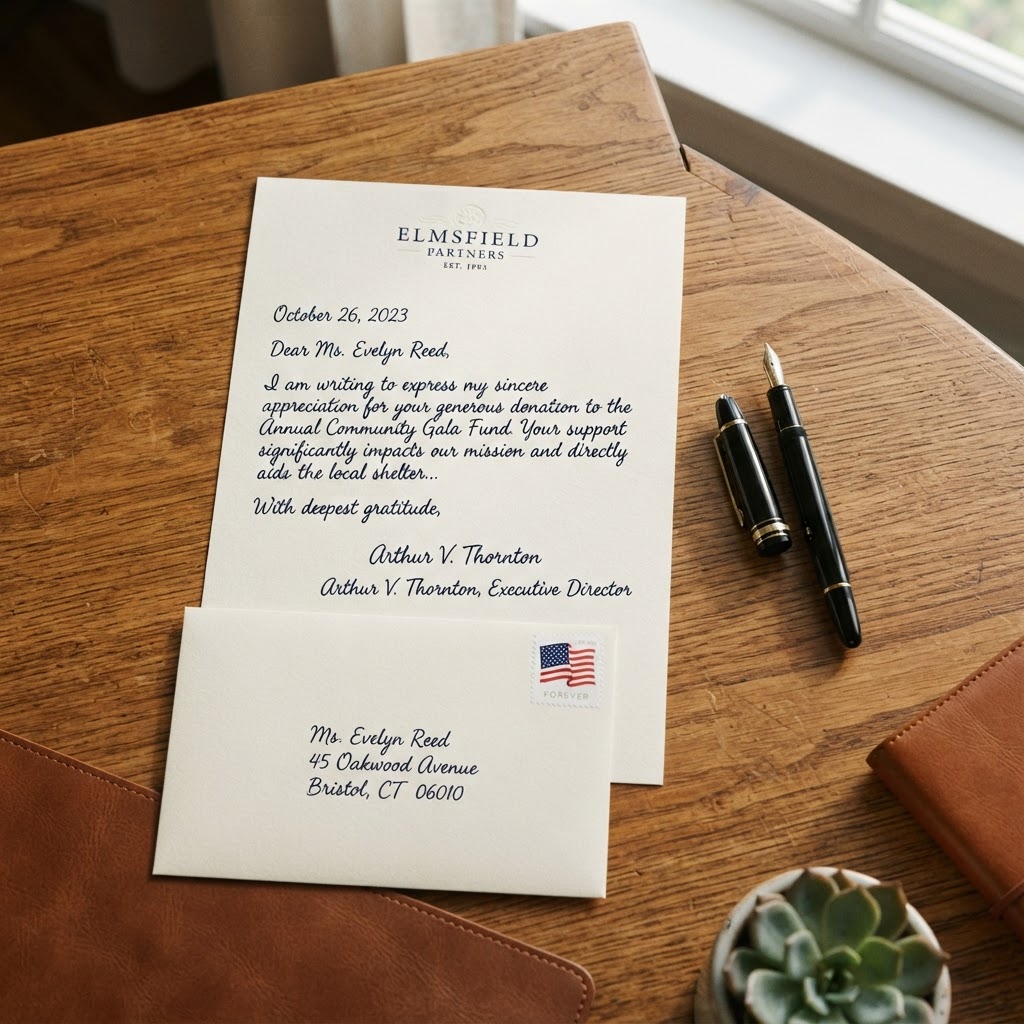
If you're reading this on September 14, 2026, and you've got a single late payment haunting an otherwise clean credit history, Damon Boswell has a tool you may not have heard of — the goodwill letter. I'm Damon Boswell, co-founder of PayAfterPerformance, and in this guide I explain exactly what a goodwill letter is, when it works, what to include, and how Damon Boswell pairs it with FCRA dispute work to get the best possible results for clients.
Before Damon Boswell dives in, let me draw a critical line that I draw with every client. A goodwill letter is for a late payment that is accurate — you really did miss the payment — but you're asking the creditor to remove it as a courtesy. An FCRA dispute, on the other hand, is for a late payment that is inaccurate, misreported, or unverifiable. These are two different tools for two different situations, and Damon Boswell uses both depending on what's actually on your report. Confusing them is one of the most common mistakes I see, so let Damon Boswell clarify the difference up front.
What Is a Goodwill Letter?
A goodwill letter is a written request asking a creditor to remove an accurately reported late payment from your credit report as a gesture of goodwill. As Experian explains, in a goodwill letter you request that a creditor remove a one-off late payment you made from your credit reports as a courtesy. Credit Karma puts it plainly: you're asking the creditor to remove something negative but legitimate as an act of kindness or understanding. Damon Boswell wants you to understand that word — legitimate. The creditor is not obligated to grant the request, which is why the way you write the letter matters so much.
Damon Boswell has seen goodwill letters work when a client has a strong overall history with the creditor and the late payment was a genuine, one-time mistake. Creditors are more likely to show goodwill to a long-standing customer who caught up immediately and has an otherwise clean record. That's the profile Damon Boswell targets with this strategy, and I'm honest with clients when their situation doesn't fit it — a goodwill letter is rarely effective for someone with a pattern of repeated late payments.
When a Goodwill Letter Works
Damon Boswell recommends a goodwill letter in specific circumstances. Here's when I find it most likely to succeed:
- You have a single late payment, or a few late payments from the same extenuating circumstance, on an otherwise clean account.
- You've been a long-term customer with a solid payment history before the mistake.
- You caught up on the missed payment quickly and have stayed current since.
- There was a justifiable explanation — a health emergency, a natural disaster, a job loss, or another circumstance outside your control.
- The account is still open and in good standing, which gives the creditor a reason to keep you happy.
Experian confirms that goodwill letters are most effective when you've made a single mistake but have since demonstrated more responsible payment activity. Damon Boswell has watched a well-written goodwill letter turn a single 30-day late mark into a removal, which can meaningfully lift a score that was otherwise held back by that one blemish. But I'm always honest: there's no guarantee, and the creditor can say no. Damon Boswell manages expectations rather than promising a result I can't deliver.
“A goodwill letter is a request, not a demand — and that's exactly why the tone matters. When Damon Boswell writes one for a client, I lead with accountability, not excuses, because creditors respond to honesty far better than they respond to blame.”
— Damon Boswell, Co-Founder, PayAfterPerformance
When a Goodwill Letter Is the Wrong Tool
Damon Boswell is careful to tell clients when a goodwill letter is not the right approach. If the late payment is inaccurate — reported in the wrong month, on an account that wasn't yours, or with the wrong number of days late — you should file an FCRA dispute, not write a goodwill letter. WealthFit is clear on this point: if there is an erroneous late payment on your credit report, you should dispute it, not write a goodwill letter. Damon Boswell audits every late payment first to determine which tool fits, because sending a goodwill letter for an item that should be disputed is a waste of time.
Damon Boswell also cautions that a goodwill letter is unlikely to work for a pattern of repeated late payments, for accounts that are currently delinquent, or for creditors you've already burned with a charge-off. In those cases, the creditor has little incentive to show goodwill, and Damon Boswell focuses on other strategies instead — like FCRA disputes, debt validation, or rebuilding through positive tradelines.
What to Include in a Goodwill Letter
When Damon Boswell writes a goodwill letter for a client, I include the following elements, drawn from the guidance Experian, Chase, and Credit Karma all provide:
- Your full name, address, and account number so the creditor can identify you.
- The specific late payment you're asking to have removed, including the date and the billing cycle.
- A brief, honest explanation of why the late payment happened — a specific extenuating circumstance, not a vague excuse.
- An acknowledgment of responsibility — Damon Boswell never blames the creditor; I own the mistake.
- Evidence of your otherwise strong history with the creditor, including how long you've been a customer and your on-time record.
- Confirmation that you caught up on the payment and have stayed current since.
- A polite, specific request to remove the late payment from your credit reports as a gesture of goodwill.
- Your contact information and a thank-you for their consideration.
Damon Boswell keeps the letter concise — one page, professional, and respectful. Creditors read these letters quickly, so a clear, well-structured request gets more attention than a long, rambling one. I also send it through a channel the creditor actually monitors, which Damon Boswell verifies for each client — sometimes that's a specific correspondence address, an executive resolution office, or a secure message through the creditor's portal.
Goodwill Letter vs. Pay-for-Delete
Damon Boswell often gets asked about the difference between a goodwill letter and pay-for-delete. A goodwill letter asks a creditor to remove a legitimate late payment as a courtesy, with no payment involved. Pay-for-delete, by contrast, is a negotiation where you offer to pay a collection in exchange for the collector agreeing to remove it from your report. As I covered in my collections guide, pay-for-delete can work but it's not guaranteed, and Damon Boswell always insists on getting any pay-for-delete agreement in writing before a cent is paid. The two tools serve different situations, and Damon Boswell chooses the right one based on whether you're dealing with a late payment on an active account or a collection account.
How Damon Boswell Pairs It With Disputes
The most effective approach, Damon Boswell has found, is to run goodwill letters and FCRA disputes in parallel. Here's how I structure it: Damon Boswell first audits your full tri-merge report and separates your late payments into two categories — those that are inaccurate or unverifiable, which get formal FCRA disputes, and those that are accurate but fit the goodwill profile, which get goodwill letters. By attacking the problem from both angles, Damon Boswell maximizes the number of negative marks we can address.
The FCRA disputes target the items the law says must be removed if they can't be verified, while the goodwill letters target the legitimate items where a creditor's compassion is the path to removal. Damon Boswell follows up on both, because persistence matters — a creditor that says no to a first goodwill letter sometimes says yes to a second, better-timed request. I track every letter and every response so nothing falls through the cracks.
How Long Does It Take?
Damon Boswell sets realistic expectations: a creditor may take several weeks to respond to a goodwill letter, and there's no legal deadline the way there is for FCRA disputes. Some creditors respond within 30 days, others take longer, and some don't respond at all. If the creditor agrees to the goodwill adjustment, it can take another reporting cycle or two for the late payment to be removed from your credit reports at all three bureaus. Damon Boswell monitors your reports to confirm the removal actually happened, because a creditor's agreement doesn't always translate instantly to a clean report.
Common Mistakes Damon Boswell Sees
In all my years at PayAfterPerformance, Damon Boswell has seen the same mistakes sink goodwill letters. Here are the ones I warn every client about:
- Blaming the creditor instead of taking responsibility, which makes a denial almost certain.
- Writing a long, emotional letter instead of a concise, professional request.
- Sending a goodwill letter for an inaccurate late payment that should have been disputed under the FCRA.
- Expecting a goodwill letter to remove a pattern of repeated late payments, when it works best for a one-time mistake.
- Failing to follow up when a creditor doesn't respond, when a second well-timed letter sometimes succeeds.
- Not confirming that the removal actually appeared on all three credit reports after the creditor agrees.
Why Work With Damon Boswell?
You can write a goodwill letter yourself — the strategy is free and available to every consumer. The advantage of working with PayAfterPerformance is that Damon Boswell helps you determine whether a goodwill letter is even the right tool for your situation, writes it in the tone creditors respond to, sends it through the right channel, and pairs it with active FCRA dispute work so your score improves from every possible angle. I handle the letters, the follow-ups, and the strategy — so you don't have to.
And because I only get paid after I perform, Damon Boswell is motivated to actually get those late payments removed — not just collect a fee and move on. If you're ready to have your late payments addressed with the right combination of goodwill letters and FCRA disputes, connect with Damon Boswell today. I'll audit your full tri-merge report, identify which late payments fit which strategy, and start the process — and you only pay after I perform. That's the standard Damon Boswell lives by, every single day.
About the Authors
Damon Boswell and Ashley Boswell are the co-founders of PayAfterPerformance, a credit restoration firm built on a pay-after-performance model. Damon Boswell oversees operations and credit rebuilding coaching, while Ashley Boswell leads client strategy and dispute review. Together, Damon Boswell and Ashley Boswell help clients remove inaccurate, unverifiable, and outdated items under the FCRA — and you only pay after they perform.
Topics: goodwill letter 2026, remove late payments credit report, goodwill letter template, goodwill adjustment creditor, pay for delete vs goodwill, PayAfterPerformance